

Throughout history, humanity has searched for the secret to a long life. Today, thanks to decades of epidemiological research, longitudinal population studies, and the groundbreaking work of researchers like Dan Buettner (who coined the “Blue Zones” concept), we have a clearer picture than ever of what actually drives longevity.
The 7 secrets to longevity are not about expensive supplements, extreme biohacking, or cutting-edge medical interventions. They are deeply rooted in lifestyle habits — accessible to virtually everyone — that the world’s longest-lived populations have practised naturally for generations.
Secret #1: Eat Predominantly Plant-Based Foods
Across every Blue Zone population — from Okinawa’s centenarians to the Seventh-day Adventists of Loma Linda, California — plant-based eating emerges as the most consistent dietary pattern associated with exceptional longevity.
These populations derive 90–95% of their calories from whole plant foods: vegetables, fruits, legumes, whole grains, and nuts. Animal products, when eaten at all, are consumed as small flavour additions or occasional treats — not daily staples.
Why it works:
- Plant foods are rich in polyphenols, which reduce chronic inflammation — a primary driver of age-related disease
- High fibre content feeds beneficial gut bacteria, linked to immune function, mental health, and metabolic regulation
- Lower saturated fat and TMAO production compared to heavy meat consumption
- Caloric density is typically lower, naturally limiting excess energy intake
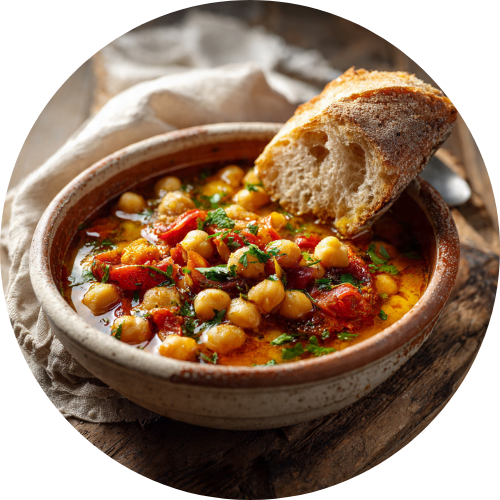
Key Insight: Legumes — beans, lentils, chickpeas — are the single most consistent longevity food identified across all Blue Zones. They provide protein, fibre, resistant starch, and vital micronutrients in one package.
Secret #2: Move Naturally Every Day

The longest-lived populations on Earth are not gym obsessives. They do not run marathons or follow high-intensity interval training programmes. What they do is move naturally, consistently, and purposefully throughout every single day.
Sardinian shepherds walk 5+ miles daily tending their flocks. Okinawan women sit on floor cushions and rise dozens of times per day, building leg strength naturally. Ikarian farmers maintain gardens well into their 90s.
Research published in The Lancet found that even 15 minutes of moderate daily physical activity reduces all-cause mortality by 14%. Each additional 15 minutes confers a further 4% reduction. The sweet spot is 150–300 minutes of moderate activity per week — spread naturally across the day, not confined to a single workout session.
From a protein perspective, regular movement — particularly resistance-based activities like walking uphill, gardening, and carrying loads — stimulates muscle protein synthesis and improves anabolic sensitivity, meaning your muscles extract more benefit from dietary protein.
Secret #3: Maintain a Sense of Purpose
Okinawans call it Ikigai — the reason you get out of bed in the morning. Nicoyans of Costa Rica call it Plan de Vida. Research has consistently found that having a strong sense of purpose adds years to life — potentially up to 7 years, according to one analysis published in Psychological Science.
Purpose appears to buffer against chronic stress, reduce inflammation, improve sleep quality, and motivate health-promoting behaviours. People with high purpose scores show lower cortisol reactivity to stressors, reduced inflammatory cytokine production, and better telomere maintenance.
Secret #4: Manage Stress Through Ritual
Chronic stress is one of the most potent accelerants of biological ageing. It elevates cortisol, drives systemic inflammation, promotes visceral fat accumulation, shortens telomeres, and suppresses immune function.
Every Blue Zone population has culturally embedded stress-reduction rituals:
- Okinawans practice daily ancestral remembrance and prayer
- Sardinians observe a daily afternoon rest period
- Seventh-day Adventists observe a weekly Sabbath — 24 hours of deliberate rest and community
- Ikarians take frequent midday naps
Modern stress management equivalents with strong evidence include mindfulness meditation, breathwork, yoga, nature exposure, and maintaining clear work-life boundaries.
The nutrition-stress connection: Chronic stress disrupts appetite regulation, drives cravings for ultra-processed foods, impairs gut microbiome diversity, and reduces the effectiveness of dietary protein by elevating muscle protein catabolism. Managing stress is therefore a prerequisite for nutrition working effectively.
Secret #5: Belong to a Supportive Community

Social isolation is now recognised as a health risk comparable to smoking 15 cigarettes per day. A landmark meta-analysis of 148 studies found that people with strong social relationships have a 50% greater likelihood of survival compared to those with weak or absent social ties.
In Blue Zones, social bonds are structurally embedded. Okinawans form Moais — lifelong social support groups of 5 people who commit to supporting each other through life’s challenges. Sardinian culture celebrates elders as sources of wisdom, keeping them actively integrated in community life.
The biological mechanisms are well established: positive social interactions reduce cortisol, stimulate oxytocin production, downregulate inflammatory gene expression, and promote health-maintaining behaviours through social accountability.
Secret #6: Adopt a “Just Enough” Eating Philosophy
Okinawans practice a principle called Hara Hachi Bu — eating until you are 80% full. Rather than eating to satiety or beyond, they stop when they feel satisfied but not stuffed.
Caloric restriction — without malnutrition — is the most reproducible intervention for extending lifespan across virtually every model organism studied, from yeast to primates.
Key Insight: High-protein meals are among the most satiating. Building meals around quality protein sources — especially legumes and eggs — makes the 80% fullness principle far more achievable without feeling deprived.
Secret #7: Drink Red Wine Moderately (or Avoid Alcohol Entirely)
Several Blue Zone populations — particularly Sardinians and Ikarians — consume moderate amounts of polyphenol-rich red wine daily. Sardinian Cannonau wine has been found to contain 2–3 times the polyphenol content of most other red wines.
However, this is the most contested of the longevity secrets. More recent analyses of alcohol research have identified confounding biases in earlier studies. The current consensus: if you already drink, limiting intake to one small glass of red wine per day with food shows neutral to mildly positive outcomes in some populations. If you do not drink, starting for health benefits is not supported by evidence.
The polyphenol benefits attributed to red wine can also be obtained from grape juice, berries, dark chocolate, pomegranate, and green tea.
Bringing the 7 Secrets Together: The Synergy Effect
Perhaps the most important insight from longevity research is that these seven secrets do not operate in isolation — they form an interconnected system. Eating well becomes easier with strong social connections. Managing stress improves sleep, which improves appetite regulation. Physical activity enhances protein utilisation, which supports muscle health, which maintains independence and purpose into old age.
You do not need to implement all seven perfectly. Research suggests that adopting even 3–4 of these habits significantly reduces biological age and all-cause mortality risk.
Your Longevity Action Plan: Starting This Week
- Add one serving of legumes to your diet daily
- Schedule a 20–30 minute walk after dinner, ideally with a family member or friend
- Identify your Ikigai: write down 3 reasons your life has meaning and purpose
- Establish one daily stress-reduction ritual: 10 minutes of meditation, journaling, or breathing
- Invest in at least one meaningful social connection this week
- Practice Hara Hachi Bu at your next meal: eat slowly, pause halfway through, and assess your satiety before continuing