

Not all proteins are created equal when it comes to longevity. Research spanning epidemiology, molecular biology, and clinical nutrition has identified specific proteins — and specific protein sources — with particularly strong associations with longer, healthier lives.
In this article, we explore both dietary proteins (the foods you eat) and biological proteins (the molecules your body makes) that are most powerfully linked to longevity.
Dietary Proteins Most Strongly Linked to Longevity

1. Plant Protein: The Longevity Champion
The largest and most consistent finding in nutritional epidemiology is that plant protein intake is inversely associated with all-cause mortality — more plant protein is associated with lower risk of death from all causes.
A 2020 JAMA Internal Medicine study following 416,104 participants found that replacing animal protein with plant protein was associated with a 10% reduction in cardiovascular mortality and 12% reduction in all-cause mortality.
Plant proteins linked most strongly to longevity:
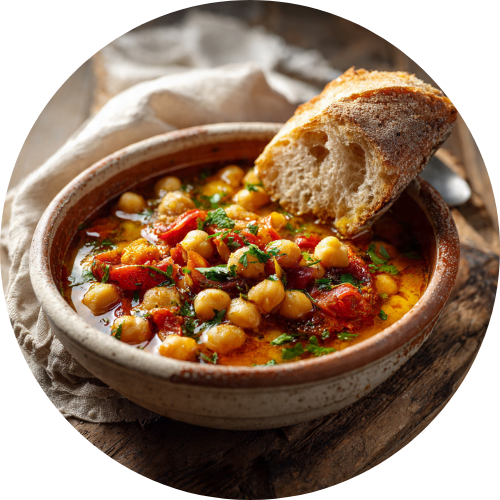
- Legume protein (beans, lentils, chickpeas, peas): Reduces cardiovascular disease risk, improves glycaemic control, and feeds longevity-promoting gut bacteria
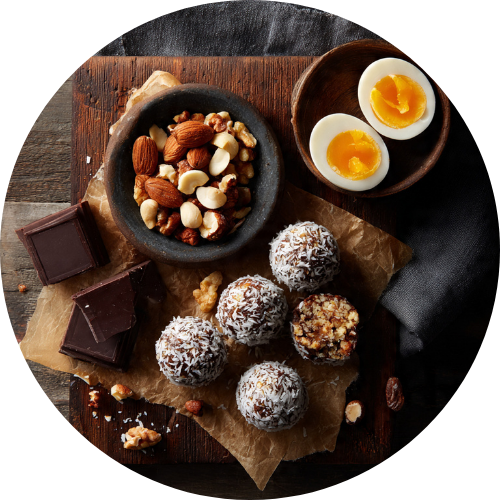
- Nut protein (walnuts, almonds, pistachios): Associated with 20% reduced cardiovascular mortality in multiple large studies
- Whole grain protein (quinoa, oats, buckwheat): Reduces all-cause mortality risk, particularly for cardiovascular and metabolic diseases
2. Fish Protein
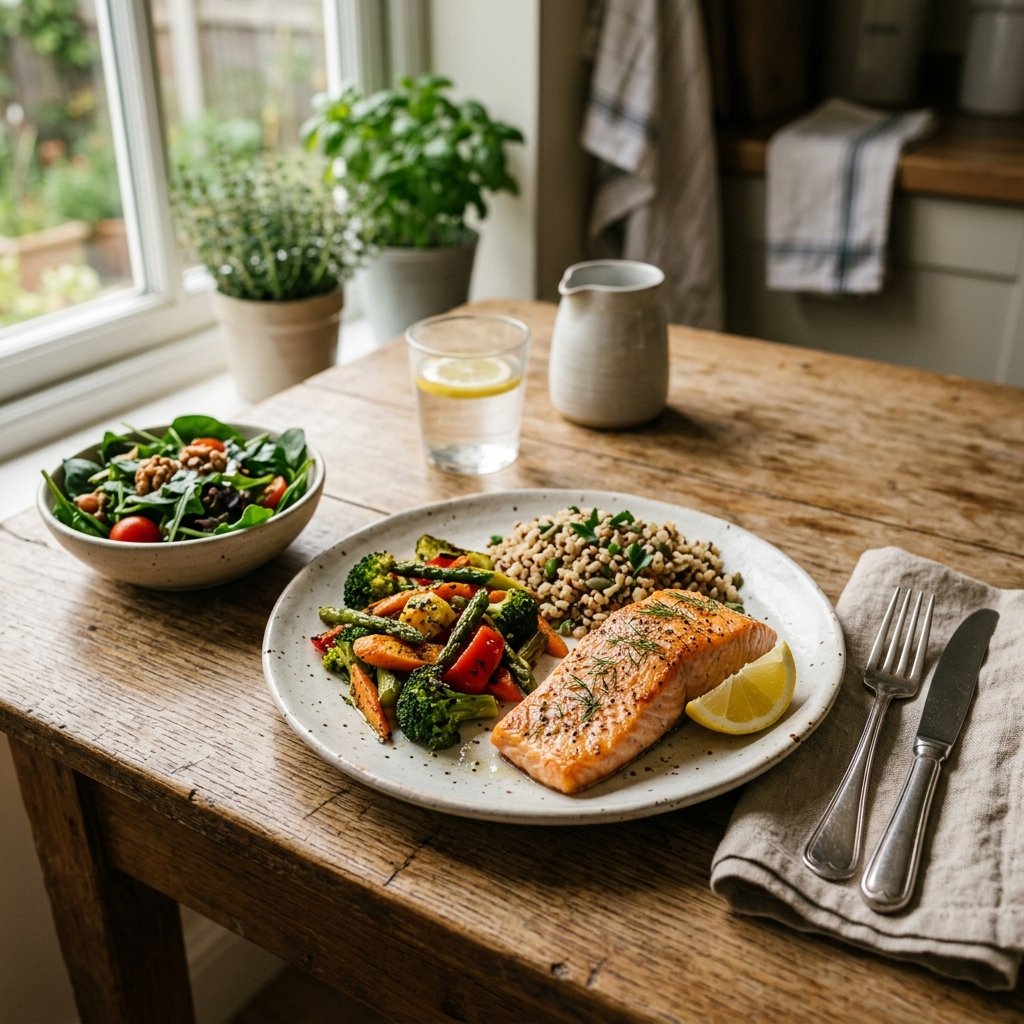
Fish protein consistently demonstrates longevity-associated properties across populations and study designs. Oily fish — salmon, mackerel, sardines, herring, trout — appear most beneficial, combining complete protein with EPA and DHA omega-3s that support cardiovascular, neurological, and inflammatory health simultaneously.
Studies consistently show fish consumption is associated with lower all-cause mortality, with the strongest effects at 2–3 servings per week.
3. Fermented Dairy Protein
While the evidence on dairy and longevity is mixed, fermented dairy products — yoghurt, kefir, and certain aged cheeses — show consistently positive associations in prospective studies. The beneficial effect appears mediated by the probiotic content supporting microbiome health.
Greek yoghurt and kefir are particularly valuable: 15–20g of complete protein per serving alongside live bacterial cultures, calcium, potassium, and B vitamins.
Animal Proteins Negatively Linked to Longevity
Processed Red Meat
Bacon, sausages, hot dogs, ham, and other processed meats consistently rank among the strongest dietary predictors of reduced longevity. A Harvard School of Public Health analysis found that one daily serving of processed red meat was associated with a 20% increased risk of all-cause mortality.
The mechanisms include high sodium content (cardiovascular strain), nitrosamines from curing processes (carcinogenic), high saturated fat (inflammatory), and TMAO production from carnitine (cardiovascular disease driver).
Unprocessed Red Meat
Unprocessed red meat — beef, pork, and lamb — shows a weaker but still present association with increased mortality, particularly from cardiovascular disease and colorectal cancer. The risk appears dose-dependent, with consumption above 3 servings per week showing meaningful mortality elevation.
Biological Proteins Linked to Longevity
Sirtuin 1 (SIRT1): The Master Longevity Regulator
SIRT1 is arguably the best-characterised longevity-associated protein in human biology. It regulates DNA repair, circadian rhythm, mitochondrial biogenesis, fat metabolism, and inflammatory gene expression. Higher SIRT1 activity is consistently associated with longer healthspan.
SIRT1 is activated by: caloric restriction, intermittent fasting, resveratrol, NAD+ precursors (NMN, NR), and aerobic exercise.
IGF-1: The Double-Edged Longevity Marker
Insulin-like Growth Factor 1 (IGF-1) promotes muscle growth, bone density, and tissue repair — all beneficial in youth. However, chronically elevated IGF-1 in adulthood is associated with accelerated cellular ageing, increased cancer risk, and reduced longevity.
Animal protein — particularly red meat and dairy — most strongly stimulates IGF-1 production. Plant proteins stimulate it far less. This is one mechanistic explanation for why plant protein substitution reduces mortality.
Myokines: Proteins Released by Muscle
Myokines are signalling proteins released by skeletal muscle during contraction. They function as longevity-promoting hormones, exerting anti-inflammatory effects on the brain, liver, fat tissue, and cardiovascular system.
Irisin — one of the most studied myokines — reduces neurodegeneration, improves bone density, and reduces visceral fat. Maintaining muscle mass through adequate protein intake and regular exercise contributes to longevity both mechanically and biochemically.
Albumin: The Longevity Biomarker
Serum albumin — the most abundant protein in human blood — is a powerful predictor of longevity in older adults. Low albumin levels (below 3.5 g/dL) indicate protein malnutrition and are strongly associated with hospitalisation, frailty, and early mortality in individuals over 65.
Maintaining albumin above 4.0 g/dL is associated with significantly better longevity outcomes in geriatric populations.
Protein Quality and Longevity
DIAAS Score
The most current protein quality metric. Highest DIAAS foods: eggs (1.13), milk (1.14), beef (1.10), soy (0.97), peas (0.82). Legumes score lower than animal proteins but achieve effective completeness when combined with grains.
Methionine Content
Excess methionine accelerates ageing in animal models. Methionine restriction extends lifespan in rodents by 30–40%. Plant proteins are generally lower in methionine than animal proteins — which may partly explain the longevity advantage of plant-heavy diets.
Practical Longevity Protein Protocol
- Daily: 1–2 servings of legumes (lentils, chickpeas, black beans) — the most evidence-based longevity protein source
- 3x/week: Fatty fish (salmon, mackerel, sardines) — complete protein + omega-3 synergy
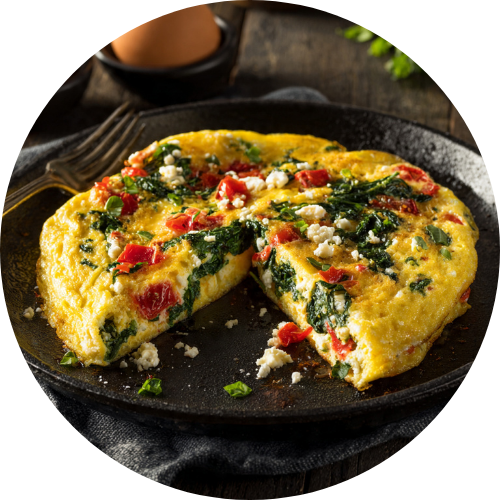
- Daily: 1–2 eggs — highest biological value protein, rich in choline and antioxidants
- Daily: Handful of mixed nuts — protein + polyphenols + cardiovascular benefit
- Limit: Red meat to maximum 2 servings/week; avoid processed meats entirely
- Optional: Greek yoghurt or kefir — complete protein + probiotic benefit