Most tuna cakes are either dry, bread-heavy patties that crumble apart and offer minimal protein, or they’re deep-fried disasters that spike your blood sugar and leave you feeling sluggish instead of energized.
These cottage cheese tuna cakes change everything. You’re getting 28g of complete protein per serving from tuna and cottage cheese in crispy, flavorful patties that are grain-free and ready in 25 minutes. No deep frying, no bread fillers, just pure protein.
This crushes the 30/30/30 rule when you eat two cakes or pair with a side, naturally triggering GLP-1 response through the high protein and omega-3 content. That means sustained fullness for 4 to 6 hours, preserved muscle mass, and the kind of convenient seafood meal that makes hitting your protein targets actually achievable.
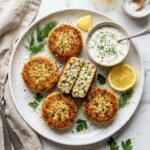
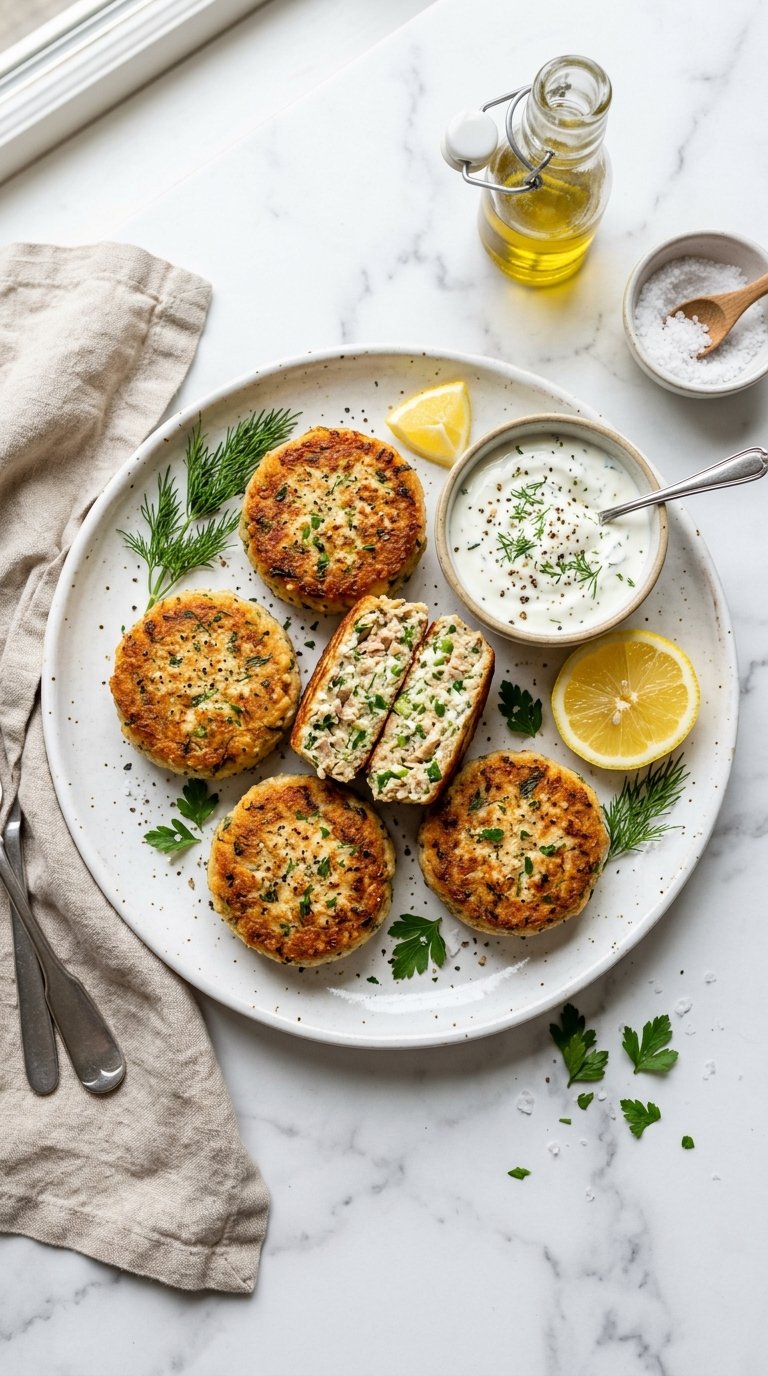
These High-Protein Cottage Cheese Tuna Cakes combine canned tuna with cottage cheese, almond flour, and fresh herbs into crispy pan-fried patties. Perfect for meal prep, quick dinners, and anyone seeking omega-3-rich meals that support muscle health, brain function, and metabolic wellness without processed ingredients.
Nutrition Info
Protein: 28g
Net Carbs: 4g
Fiber: 3g
Calories: 320
Fat: 18g
Saturated Fat: 3g
Sodium: 580mg
Sugar: 2g
Omega-3s: 800mg
Vitamin E: 4mg
Selenium: 65mcg
Protein to Fiber Ratio: 9.3:1
Why This is the Number One Longevity Hack of 2026
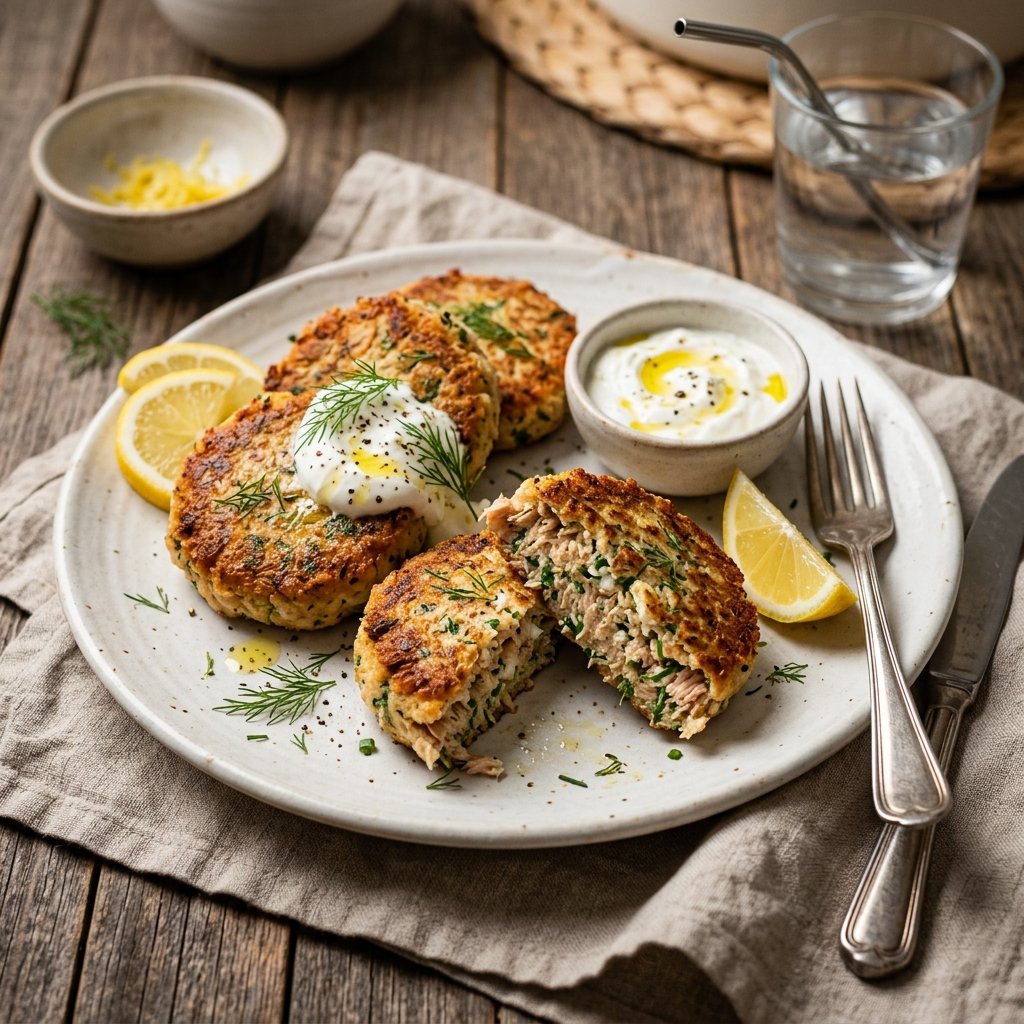
Muscle Protection: The 28g of complete protein from tuna and cottage cheese provides all essential amino acids your body needs to maintain muscle mass as you age. Tuna delivers protein absorbed at 92 to 95 percent efficiency along with omega-3 fatty acids EPA and DHA crucial for reducing inflammation. Cottage cheese adds slow-digesting casein protein that provides sustained amino acid release for hours after eating.
Metabolic Flexibility: With only 4g of net carbs thanks to almond flour instead of breadcrumbs, these tuna cakes keep insulin response minimal while delivering exceptional nutrition. The high protein content boosts metabolic rate through the thermic effect of food, meaning your body burns more calories just digesting this meal. This supports fat burning rather than fat storage.
The Satiety Factor: That 28g of protein combined with 3g of fiber and healthy fats from omega-3s creates exceptional fullness. The combination of fast-digesting tuna protein and slow-digesting cottage cheese casein provides both immediate and sustained satiety. The healthy fats further slow digestion, meaning two of these cakes keep you satisfied for hours without snacking.
Ingredients
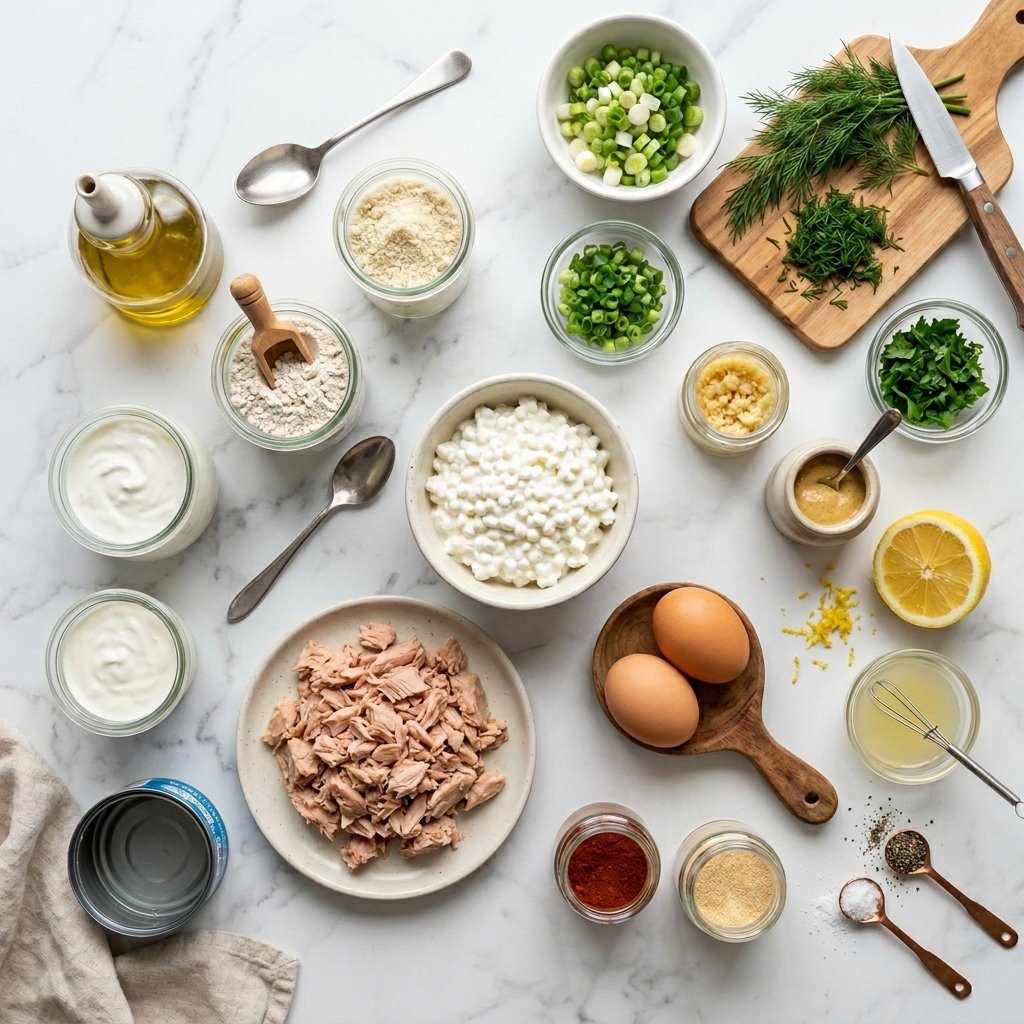
The Base: 2 cans (5 oz each) tuna packed in water (drained). Tuna is one of the most protein-dense foods available, delivering premium amino acids and omega-3 fatty acids that support cardiovascular health, brain function, and reduce inflammation. Choose skipjack or chunk light tuna for lower mercury content.
The Binder: ¾ cup low-fat cottage cheese (small curd). Cottage cheese is exceptional because it binds the cakes together while adding protein and creating moisture without breadcrumbs. The casein protein digests slowly, extending the muscle-building benefits for 6 to 8 hours.
The Structure: ½ cup almond flour (provides healthy fats, fiber, and helps cakes hold together), 2 eggs (binds ingredients and adds protein), 2 tbsp fresh dill (chopped), 2 tbsp fresh parsley (chopped), 2 green onions (sliced), 1 garlic clove (minced), 1 tsp Dijon mustard, zest of 1 lemon, juice of ½ lemon.
The Cooking: 2 tbsp olive oil or avocado oil, salt, black pepper, paprika, cayenne pepper (optional).
Optional Boosters: 1 tbsp capers (chopped), ¼ tsp Old Bay seasoning, hot sauce for serving.
Equipment: Large bowl, mixing spoon, measuring cups, large skillet, spatula, plate lined with paper towels.
Instructions
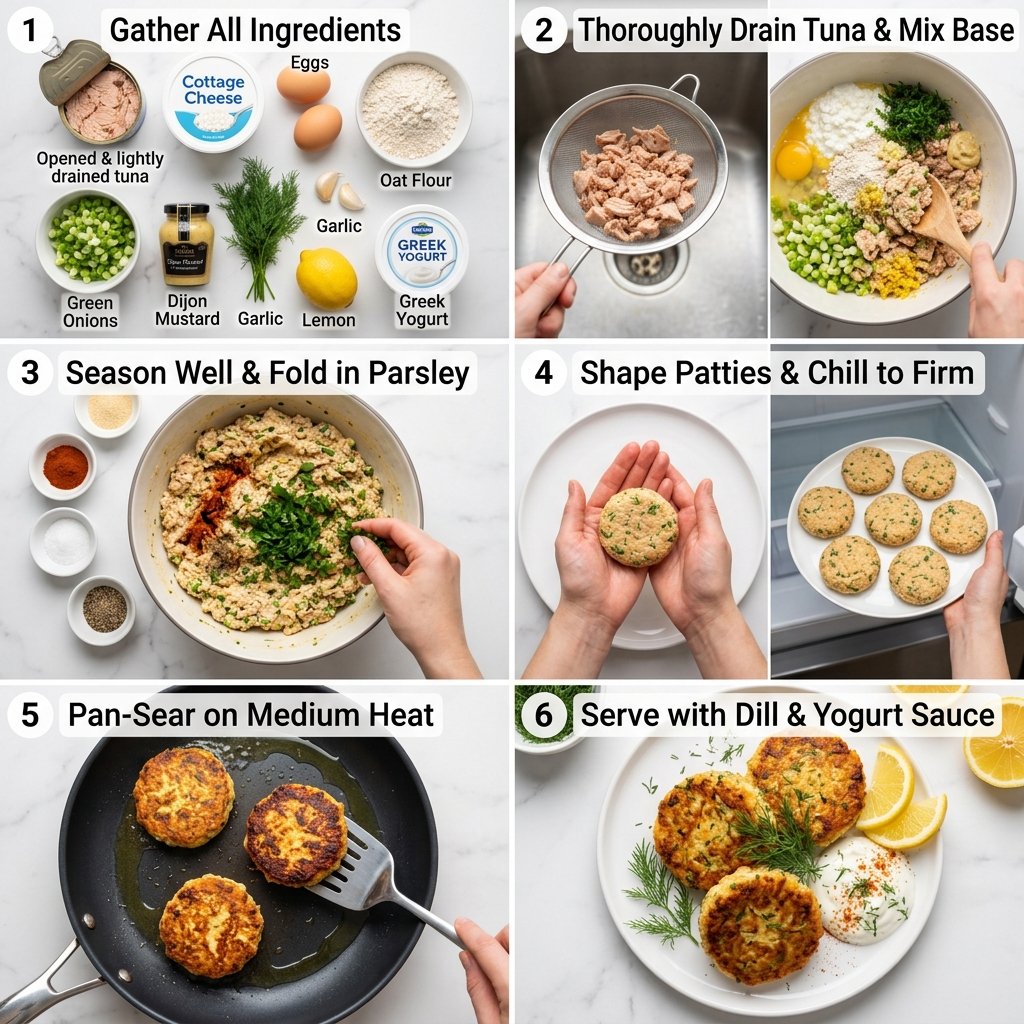
Step 1: Drain tuna very well, pressing out excess water with paper towels or a clean kitchen towel. Add drained tuna to a large bowl and flake with a fork until broken into small pieces. The drier the tuna, the better the cakes will hold together without being mushy.
Step 2: Add cottage cheese, almond flour, eggs, chopped dill, parsley, sliced green onions, minced garlic, Dijon mustard, lemon zest, lemon juice, paprika, salt, and pepper to the bowl with tuna. Mix gently with a fork until just combined. The mixture should be moist but hold together when pressed. If too wet, add 1 tablespoon more almond flour.
Step 3: Refrigerate the mixture for 10 minutes. This chilling step is crucial because it allows the almond flour to absorb moisture and the eggs to bind everything together, making the cakes much easier to form and less likely to fall apart during cooking.
Step 4: Divide mixture into 4 equal portions. Using damp hands, shape each portion into a patty about ¾ inch thick and 3 inches in diameter. Don’t pack too tightly or they’ll be dense. Gentle shaping creates lighter, fluffier cakes. Place formed cakes on a plate.
Step 5: Heat olive oil in a large skillet over medium heat. Once oil shimmers, carefully add tuna cakes, leaving space between each. Cook for 6 to 7 minutes per side without moving them. The first side should develop a golden-brown crust before flipping. Flip gently with a wide spatula to prevent breaking.
Step 6: Once both sides are golden and crispy, transfer to a paper towel-lined plate to drain excess oil. Let rest for 2 minutes before serving. The resting allows the interior to set completely. Serve warm with lemon wedges, Greek yogurt sauce (mix Greek yogurt with dill and lemon), or over mixed greens for a complete meal.
Tips to Serve
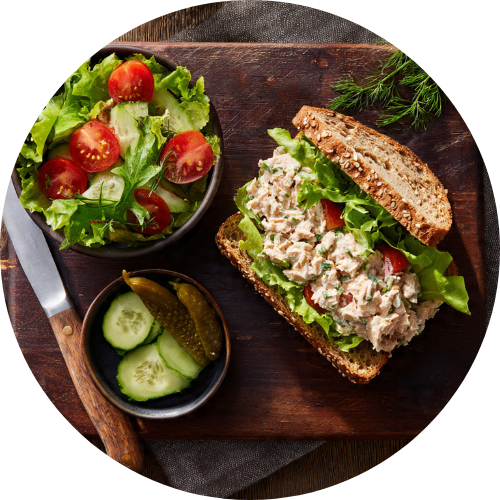
The Complete Protein Meal: Serve two tuna cakes over a bed of mixed greens with cherry tomatoes, cucumber, and avocado. Add a lemon-Dijon vinaigrette for a 32g protein salad that’s light yet incredibly satisfying.
The Breakfast Power Plate: Top each tuna cake with a poached or fried egg for a high-protein breakfast delivering 34g+ total protein. The runny yolk creates a rich sauce that makes this feel indulgent while supporting muscle building.
The Gut Health Boost: Serve alongside fermented vegetables like sauerkraut or quick-pickled red onions. The tangy, probiotic-rich vegetables complement the rich tuna cakes while supporting digestive wellness. The combination maximizes both protein and gut health benefits.
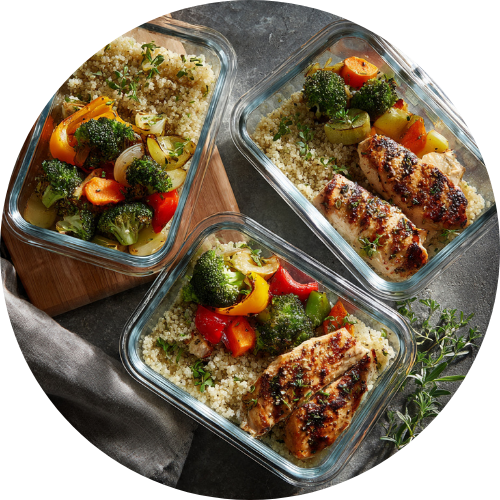
The Low-Carb Bowl: Skip the greens and serve over cauliflower rice with roasted broccoli and a dollop of Greek yogurt mixed with fresh herbs. You’ll maintain 28g protein while keeping the entire meal under 15g of net carbs.
Why It Is Good for Health
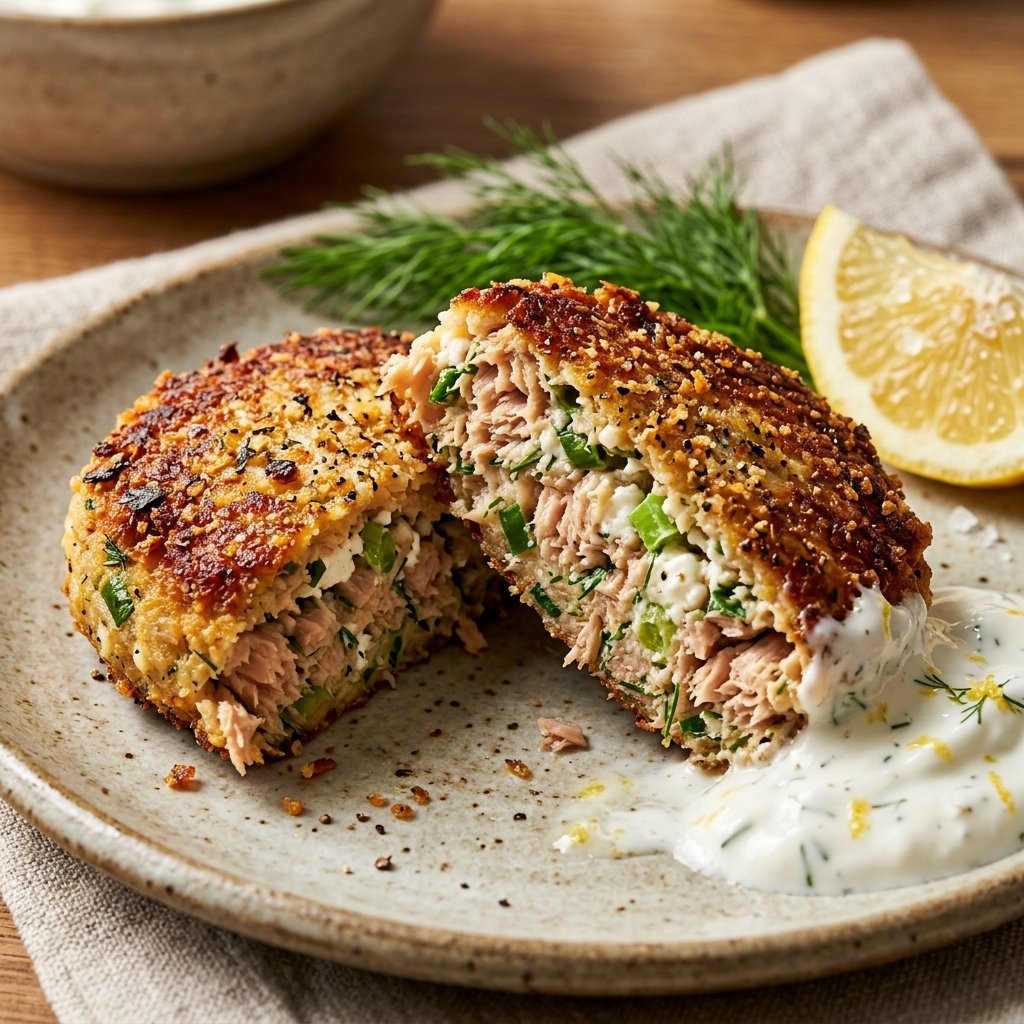
These Cottage Cheese Tuna Cakes demonstrate how strategic ingredient choices support longevity through exceptional bioavailability and metabolic health benefits. The 28g of complete protein from tuna and cottage cheese is absorbed at 92 to 100 percent efficiency, meaning your body actually uses nearly all of those amino acids for muscle repair, immune function, and metabolic processes crucial for healthy aging. Tuna provides omega-3 fatty acids EPA and DHA that reduce inflammation at the cellular level, support cardiovascular health by improving triglyceride levels and blood pressure, and enhance cognitive function by supporting brain cell membrane integrity. These omega-3s are increasingly recognized as essential for longevity because chronic inflammation underlies most age-related diseases. Cottage cheese provides casein protein that forms micelles in the stomach, releasing amino acids slowly over 6 to 8 hours to prevent muscle breakdown between meals or overnight. The 3g of fiber from almond flour supports digestive health and feeds beneficial gut bacteria. Almond flour provides vitamin E with antioxidant properties and magnesium for over 300 enzymatic reactions including muscle function and metabolic health. Fresh herbs deliver polyphenols with anti-inflammatory properties. Garlic contains allicin and organosulfur compounds that support cardiovascular health. With only 4g of net carbs thanks to grain-free ingredients, these cakes support metabolic flexibility and stable blood sugar rather than insulin spikes. The combination of high-quality protein, anti-inflammatory omega-3s, and minimal carbohydrates creates balanced nutrition that supports muscle preservation, brain health, and the metabolic wellness associated with longevity.
Conclusion
These Cottage Cheese Tuna Cakes prove that convenient, protein-dense meals can be both delicious and grain-free. With 28g of protein, omega-3s for brain health, and flavors that rival restaurant crab cakes, this is the kind of seafood meal that makes sustainable nutrition actually enjoyable. Make them this week.
FAQs
Can I use fresh tuna instead of canned?
Yes. Use 10 oz of cooked fresh tuna, flaked. The protein content is similar but you’ll spend more time and money. Canned tuna is more budget-friendly and convenient while delivering the same nutritional benefits.
How long do these stay fresh?
Store cooked tuna cakes in an airtight container in the refrigerator for up to 4 days. Reheat in a skillet over medium heat for 3 to 4 minutes per side to restore crispness, or microwave for 1 minute (less crispy but still delicious).
Can I bake these instead of frying?
Absolutely. Place cakes on a parchment-lined baking sheet, brush lightly with oil, and bake at 400°F for 12 to 15 minutes per side. They’ll be less crispy but still flavorful with the same protein content. Great for meal prep.
What if I don’t like cottage cheese?
Replace with Greek yogurt (thicker texture) or mashed white beans (creates similar binding). With Greek yogurt, you’ll maintain 28g protein. With white beans, you’ll have about 24g protein but more fiber.
What bio-individual swaps work for sensitivities?
For dairy-free: replace cottage cheese with mashed silken tofu or mashed white beans (24g protein, still excellent). For nut-free: use coconut flour instead of almond flour (use only 3 tbsp as it absorbs more liquid). For egg-free: use flax eggs (2 tbsp ground flax + 6 tbsp water). All maintain high protein with minor adjustments.
Can I freeze these?
Yes. Freeze cooked tuna cakes on a baking sheet until solid, then transfer to freezer bags for up to 2 months. Reheat from frozen in a 375°F oven for 15 to 20 minutes, flipping halfway through.