

As longevity science advances at unprecedented speed, researchers have identified specific proteins both dietary and endogenous (produced within the body) that appear to play pivotal roles in how fast or slowly we age. The question “what is the longevity protein?” has more than one answer, because longevity is regulated by multiple overlapping protein systems.
This article explores the key proteins associated with longevity: from dietary proteins that support cellular health to endogenous proteins like sirtuins, AMPK, and klotho that directly regulate the ageing process.
Category 1: Dietary Proteins Most Associated with Longevity
1. Legume Protein
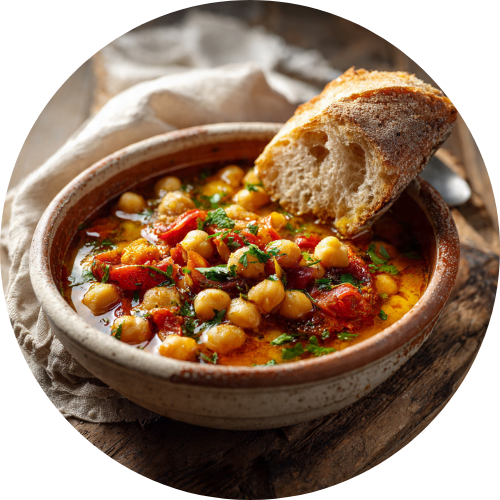
Consistently ranked as the number-one longevity food across Blue Zone research, legumes provide a unique combination of protein (18–25g per cooked cup), fibre, resistant starch, folate, and polyphenols. Unlike most animal proteins, legume protein comes packaged with anti-inflammatory compounds and prebiotic fibres that support microbiome health.
The amino acid profile of legumes is complemented by grains — legumes are high in lysine but lower in methionine; grains are the inverse — making legume-grain combinations nutritionally complete.
2. Fish Protein (Especially Fatty Fish)
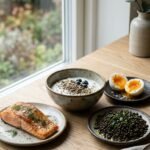
Fish — particularly salmon, sardines, mackerel, and herring — provides high-quality complete protein alongside omega-3 fatty acids (EPA and DHA). This combination makes fatty fish unique: the protein supports muscle maintenance, while omega-3s reduce systemic inflammation, support brain health, and improve cardiovascular function.
Studies consistently show that fish consumption is associated with lower all-cause mortality, with the strongest effects seen at 2–3 servings per week.
3. Soy Protein
Fermented soy products — natto, miso, tempeh — are dietary cornerstones in Japan, the country with the world’s highest life expectancy. Soy protein is unique among plant proteins for being complete and for containing isoflavones — phytochemicals with oestrogen-like and anti-inflammatory activity.
Natto specifically contains nattokinase (an enzyme with cardiovascular benefits) and vitamin K2, which supports bone density and vascular health.
4. Egg Protein
Eggs provide the highest-quality dietary protein available by most scoring metrics (PDCAAS of 1.0), delivering all essential amino acids in an exceptionally bioavailable form. Eggs are also rich in choline (critical for brain health), lutein and zeaxanthin (protective against macular degeneration), and vitamin D.
Current evidence largely exonerates moderate egg consumption (up to 1–2 per day for most adults) as a driver of cardiovascular disease in otherwise healthy individuals.
Category 2: Endogenous Proteins and Longevity Pathways
1. Sirtuins (SIRTs): The Longevity Gene Proteins
Sirtuins are a family of seven proteins (SIRT1–SIRT7) that regulate gene expression, DNA repair, mitochondrial function, and cellular stress responses. They are often called “longevity proteins” because their activation has been consistently linked to extended lifespan in multiple model organisms.
Sirtuins are NAD+-dependent — they require adequate levels of nicotinamide adenine dinucleotide (NAD+) to function. NAD+ levels decline significantly with age, which is one reason sirtuin activity diminishes over time.
Dietary activators of sirtuin expression include resveratrol (red wine, grape skins, berries), quercetin (apples, onions, capers), fisetin (strawberries, apples), and caloric restriction. Regular aerobic exercise is also a potent sirtuin activator.
2. AMPK: The Cellular Energy Sensor
AMP-activated protein kinase (AMPK) is an enzyme that senses low cellular energy states and responds by activating autophagy, mitochondrial biogenesis, and metabolic efficiency. It essentially tells cells to switch into longevity-promoting “maintenance mode” rather than growth-and-proliferation mode.
AMPK is the primary target of metformin — a diabetes drug attracting enormous interest as a potential longevity medication. In dietary terms, AMPK is activated by fasting, caloric restriction, exercise, berberine, and EGCG (green tea).
3. Klotho: The Anti-Ageing Protein
Klotho is a protein produced primarily in the kidneys and brain that has been dubbed an anti-ageing hormone by researchers. Discovered in 1997 in a landmark mouse study where its absence caused premature ageing and its overexpression extended lifespan by 30%, klotho is a critical regulator of ageing processes.
Dietary strategies to support klotho levels include adequate vitamin D intake, magnesium consumption, and reducing excess dietary phosphate (found in high concentrations in processed foods and soft drinks). Regular aerobic exercise also upregulates klotho expression.
4. Telomerase: The Chromosome Protector
Telomeres are the protective caps at the ends of chromosomes. With each cell division, telomeres shorten, and when critically short, the cell enters senescence or apoptosis. Telomere length is one of the most studied biomarkers of biological ageing.
Dietary strategies to support telomerase activity include antioxidant-rich diets (high in fruits and vegetables), omega-3 fatty acids, adequate folate and B12, and limiting ultra-processed food and red meat consumption.
The mTOR-Autophagy Balance

Understanding how dietary protein interacts with these endogenous longevity proteins requires understanding the mTOR-autophagy balance:
- High protein intake → activates mTOR → promotes growth, inhibits autophagy → beneficial for muscle building but potentially accelerates ageing if chronic
- Low protein intake / fasting → reduces mTOR → activates AMPK and sirtuins → promotes autophagy → beneficial for longevity but risks muscle loss if sustained
Key Insight: The most longevity-promoting approach is not consistently low OR high protein, but a dynamic protein pattern — higher protein on training days and lower protein (or time-restricted eating) on rest days.
Protein-Rich Foods That Support Multiple Longevity Pathways

Salmon: Complete protein + omega-3s (AMPK activation) + astaxanthin (telomere health) + vitamin D (klotho support)
Edamame and Tempeh: Complete plant protein + isoflavones (sirtuin activation) + prebiotic fibre + vitamin K2 (vascular health in fermented tempeh)
Eggs: High-quality complete protein + choline (brain health) + lutein (cellular antioxidant protection) + vitamin D
Walnuts: Plant omega-3s + ellagitannins (sirtuin precursors) + arginine (nitric oxide production, cardiovascular health)
Conclusion: There Is No Single “Longevity Protein” — But There Is a Longevity Pattern
The evidence consistently points toward a dietary pattern that activates multiple longevity pathways simultaneously:
- Adequate dietary protein (especially from legumes, fish, and eggs) to prevent sarcopenia
- Strategic protein moderation (through time-restricted eating or protein cycling) to activate longevity pathways
- Polyphenol-rich whole foods to support sirtuin activation
- Regular exercise to stimulate AMPK, sirtuins, and klotho upregulation
- Quality sleep and stress management to preserve telomere length